Roof Repair in El Segundo, typically $350 - $1,500. A tight grid beside a very large industrial district. Local crew, a free written quote, and the permit pulled through the City of El Segundo.
Two completely different rate cards in one city. The residential grid is small older houses with coastal metalwork problems; the industrial side is large-area low slope with plant, curbs and access controls that price nothing like a house. A quote should say which it has surveyed.
A coastal city to the north-west, with a compact residential grid beside a very large industrial and aerospace district. Small older residential lots on a tight grid, alongside substantial commercial and industrial roofs.

7 lanes of roofing work, each priced against a written scope.
Two rate cards in one city.
On the industrial side a leak is usually at a penetration -- and there are a great many of them.
The industrial roofs here have flashing details a house never does: large plant curbs, duct penetrations and expansion joints, all in metal and all in coastal air.
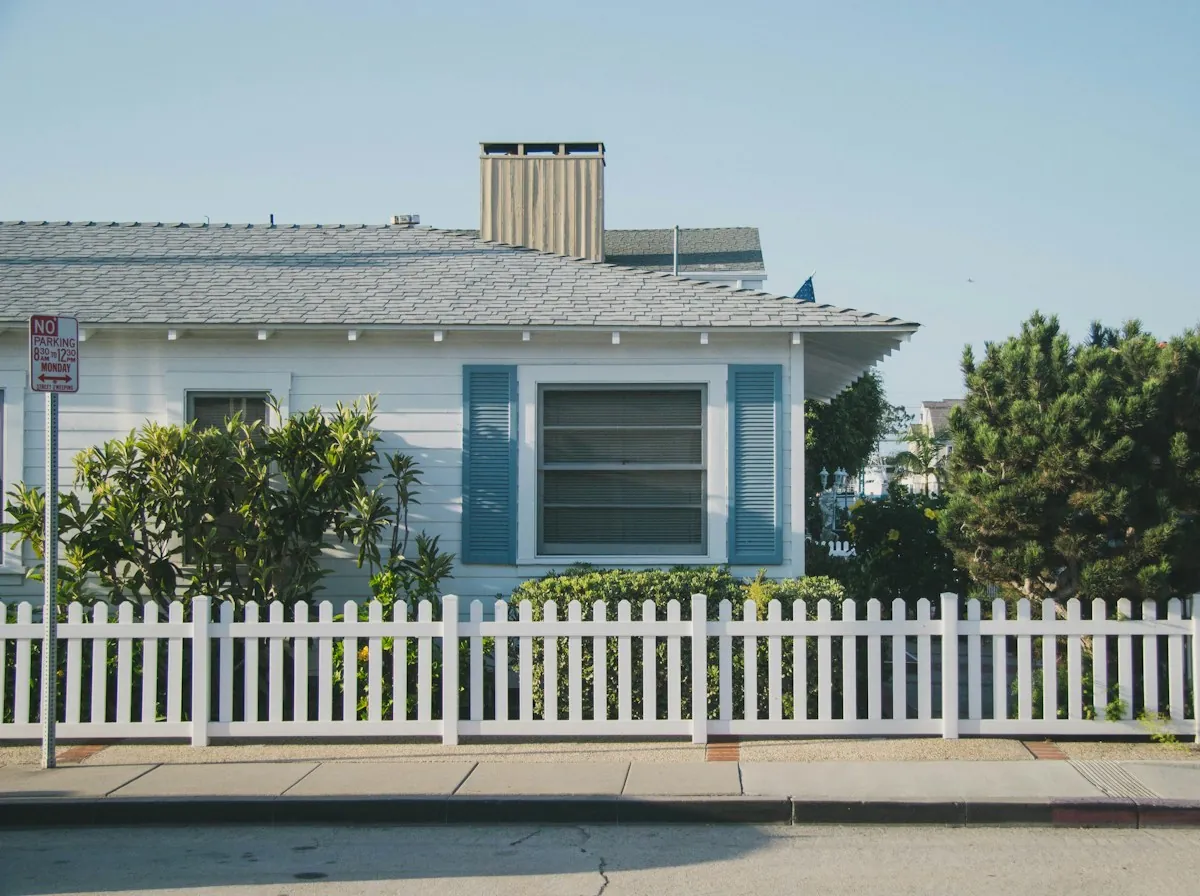
The residential grid here is small older houses where shingle is the norm, and being this close to the water means the fixing question applies in full.
The industrial district has the largest low-slope roofs covered on this site by a wide margin, and they are a different discipline from residential work -- plant curbs, expansion joints, roof traffic and access control.
On the industrial side an emergency usually means protecting what is underneath before anything else -- stock, plant or a production floor.
Two completely different jobs under one city name.
This is the single most expensive misdiagnosis in the South Bay, and it is made honestly as often as not -- replacing everything is simply easier to price than working out what failed.
Step flashing, valley metal, vent collars, pipe boots, drip edge, gutters and every fixing holding them down. Within a few miles of the beach those go first, reliably, while the covering is still sound.
Granules present, lying flat, not brittle? Then the covering has life in it and what you have is a flashing job -- $450 to $2,800 rather than $11,000 and up.
In Gardena or eastern Torrance the sun finishes the covering first and the metal outlasts it, so a replacement there is more often genuinely the right call. Same ten miles, opposite answer.
The middle of the gradient. Damp shaded slopes.
Inland pattern, plus a lot of small apartment blocks.
Furthest inland. Sun finishes the covering first.
The whole gradient inside one city, east to west.
Full coastal. It is usually the metalwork.
Most exposed, and nowhere to put a ladder.
Older stock and newer rebuilds, side by side.
Published ranges and straight answers, before you ring round.
No. The inspection is free, the written quote is free, and there is no obligation attached to either. What we will not do is give you a price at the door, or quote a replacement without first telling you whether the covering is actually the thing that failed.
Almost certainly not, and this is the most common misdiagnosis near the coast. Salt air attacks metal, not asphalt or tile -- so flashings, collars, boots, drip edge and fixings corrode while the covering is still sound. That is a $450 to $2,800 job rather than an $11,000 one.
Stainless or a heavy hot-dipped product, not standard galvanized. The price difference is modest and the lifespan difference is several times over. It is completely invisible once the roof is finished, which is exactly why it should be written into the quote rather than left to whoever is on site.
Closer to its rated life than it does inland, genuinely. Moderate temperatures and far less extreme ultraviolet are easier on the mat than an Inland Empire summer. When a roof here fails early it is usually wind or corroded fixings rather than the shingle wearing out.
We quote the flashing job first when that is what it is. No doorstep quotes and no pressure to decide on the spot.