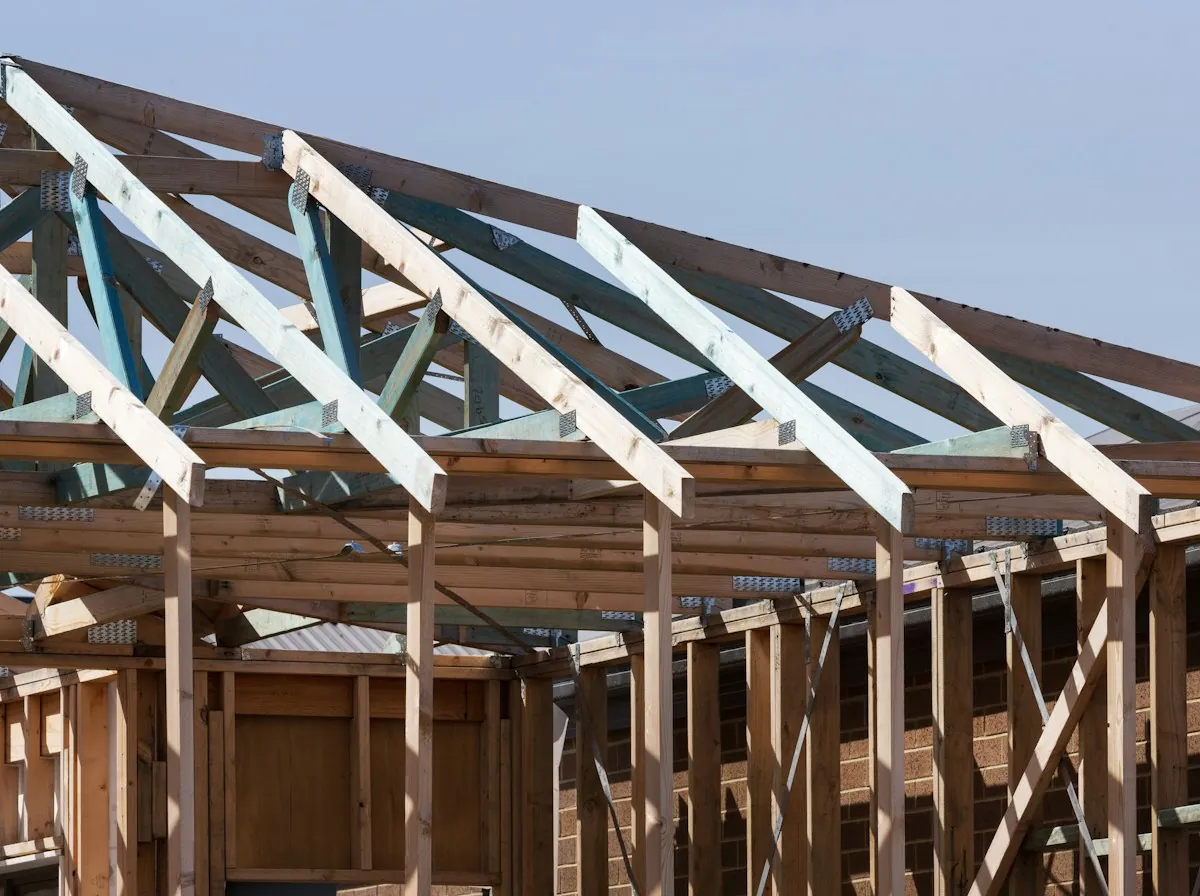
Roof Replacement in Hawthorne from $11,000. Down to the deck, every sheet checked for salt damage, priced before the first nail comes out. Free inspection and a written quote.
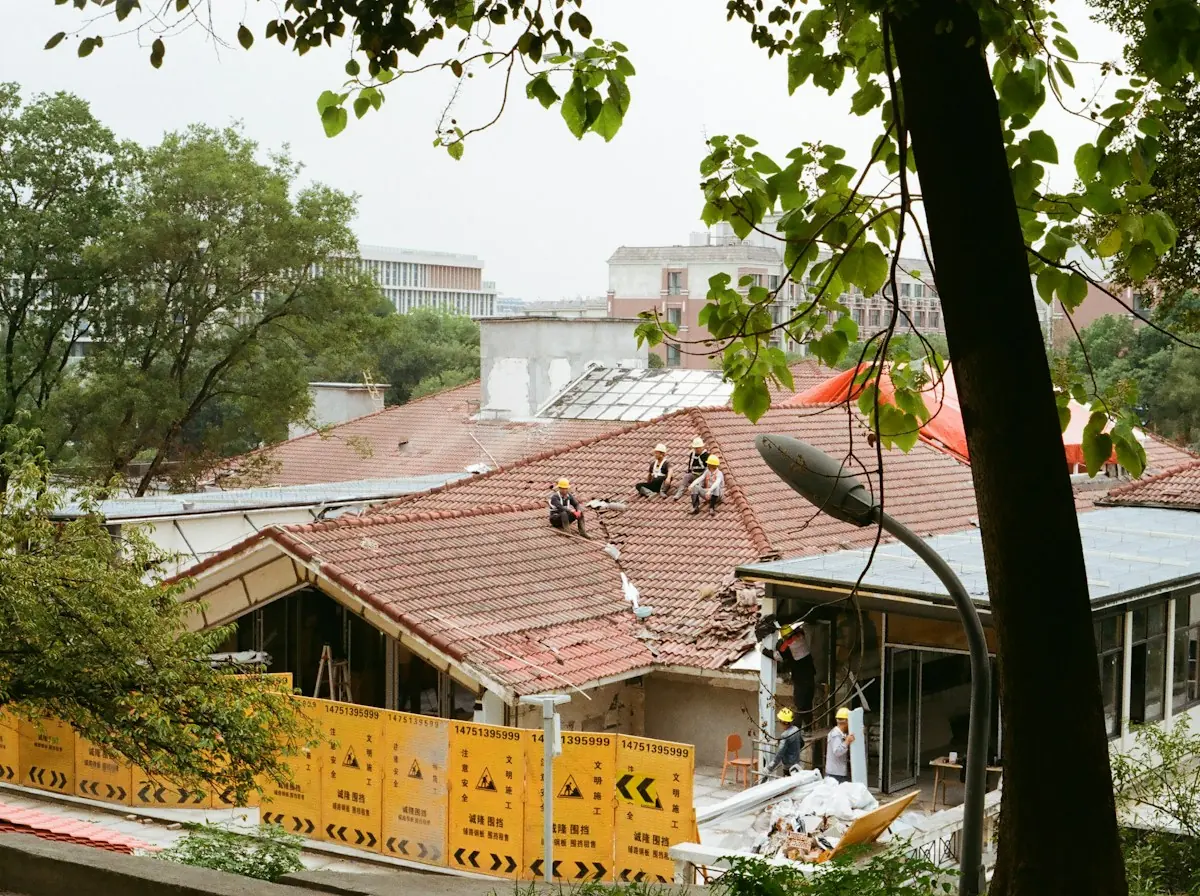
On a multi-unit building the roof is the easy part. Staging, resident notice, parking displacement and a sequence that never leaves an occupied unit under an open roof overnight are what decide whether a Hawthorne replacement runs to schedule, and they belong in the quote.
Before anything else: check whether you need one. Near the water a roof frequently fails at its metalwork while the covering has years left, and that is a flashing job rather than a replacement. We will price both so the difference is a number rather than an opinion.


A full replacement runs roughly $11,000 to $25,000 in the South Bay. Before you price one, though, establish that you need it -- near the water a roof frequently fails at its metalwork with years of covering life left, and that is a far smaller job. Similar distance from the water to Lawndale, so similar rates. What changes the number is the building: on multi-family, staging, resident notice and parking displacement are real lines rather than something absorbed into a square-foot rate.
A single existing layer over sound plywood, a simple low-pitch post-war roof, and somewhere to put a dumpster.
Multi-story coastal access with street-only loading, coastal-grade fixings and flashings, a second or third existing layer, or soft decking found once the covering is off.
The steep-slope cool-roof requirement applies in zones 10 to 15 and this is zone 6, so a reflective covering is not a code obligation here. A quote presenting it as one is worth a question.
Similar distance from the water to Lawndale, so the same inland failure pattern -- covering first, metalwork second. The difference is the multi-family share: on a two-to-eight unit building the constraint is staging, resident notice and parking rather than the roof itself.
Hollyglen and Del Aire are Hawthorne neighborhoods, not Lawndale ones, which is worth stating because the two cities interlock closely enough that it is commonly muddled.
This is the single most expensive misdiagnosis in the South Bay, and it is made honestly as often as not -- replacing everything is simply easier to price than working out what failed.
Step flashing, valley metal, vent collars, pipe boots, drip edge, gutters and every fixing holding them down. Within a few miles of the beach those go first, reliably, while the covering is still sound.
In Gardena or eastern Torrance the sun finishes the covering first and the metal outlasts it, so a replacement there is more often genuinely the right call. Same ten miles, opposite answer.
Telling you that is the same piece of work as telling you the opposite, and it deserves the same evidence. Ask to be shown the field, not just the failure.
Same distance from the water as Lawndale, so the same inland pattern: the covering ages out before the metalwork does.
In a multi-unit building the leak has usually traveled further than anyone thinks, because it can move between units before it shows.
On multi-family the flashings that matter most are the ones at party walls and between building sections, because a failure there puts water into two units at once.
On a multi-unit building the shingled section is often only part of the roof, with low slope behind it where nobody looks.
Low slope over small apartment blocks is the common Hawthorne job, and the pattern is consistent: ponding at the low corner, a scupper blocked long enough to leave a tide mark, and a parapet coping that has opened up.
A leak in an apartment building is several people's emergency at once, and the water is usually two ceilings below where it got in.
The middle of the gradient. Damp shaded slopes.
Furthest inland. Sun finishes the covering first.
The whole gradient inside one city, east to west.
Full coastal. It is usually the metalwork.
Most exposed, and nowhere to put a ladder.
Older stock and newer rebuilds, side by side.
A tight grid beside a very large industrial district.
What is worth knowing before you book this.
Usually because they are not the same roof. Check whether each includes a full tear-off, how sheathing is priced, what underlayment is specified, and what metal the flashings and fixings are. That last one is the South Bay variable and it is rarely stated.
Yes -- when the covering itself has genuinely finished, which does happen. The point is that it should be established rather than assumed, because the far more common coastal condition is a sound field with corroded details.
Almost certainly not, and this is the most common misdiagnosis near the coast. Salt air attacks metal, not asphalt or tile -- so flashings, collars, boots, drip edge and fixings corrode while the covering is still sound. That is a $450 to $2,800 job rather than an $11,000 one.
Because the two enemies swap places. Within a few miles of the beach salt air finishes the metalwork first; inland, in Gardena or eastern Torrance, there is more sun and less salt so the covering ages out first and the metal outlasts it. A contractor using one specification across that gradient is wrong at one end.
Stainless or a heavy hot-dipped product, not standard galvanized. The price difference is modest and the lifespan difference is several times over. It is completely invisible once the roof is finished, which is exactly why it should be written into the quote rather than left to whoever is on site.
Free inspection, and a written quote against a written scope. The metalwork judged separately from the covering.